
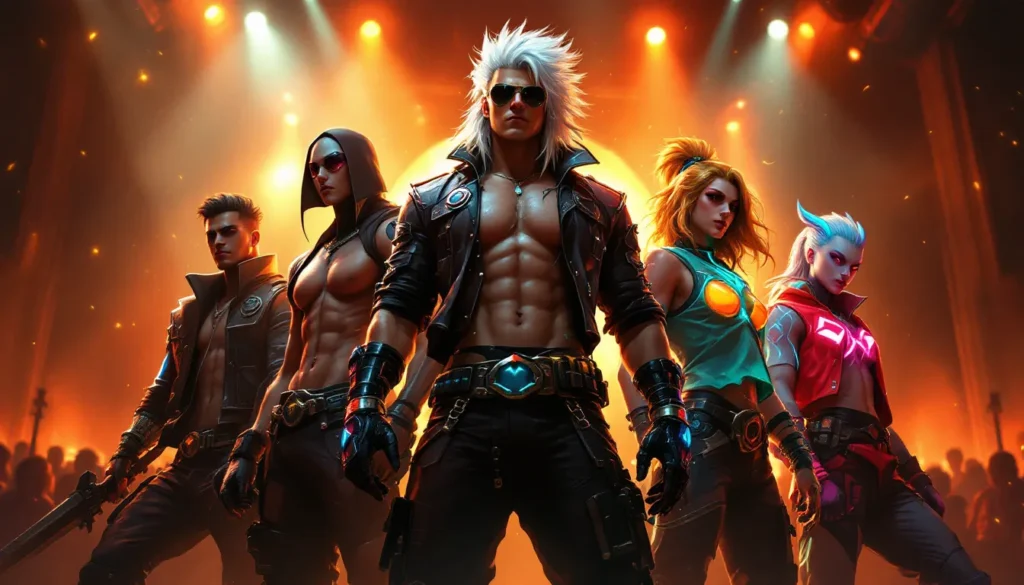

Heartsteel isn’t just another cosmetic line in League of Legends, it’s a full multimedia project that blends lore, music, and competitive gameplay into one cohesive experience. When Riot Games introduced this music group concept, they created something genuinely novel: a band of champions with their own narrative arc, original soundtrack, and gameplay identity that’s become a fixture in the League of Legends universe. Whether you’re a casual player hunting skins or a competitive grinder analyzing meta shifts, Heartsteel champions have carved out their own space in the game. This guide breaks down everything you need to know about Heartsteel in 2026, from the lore that ties these champions together to the best strategies for playing them at any rank.
Table of Contents
ToggleKey Takeaways
- Heartsteel is a full multimedia project blending lore, original music, and gameplay, making it far more than a standard cosmetic line in League of Legends.
- The five Heartsteel champions—Sett, Aphelios, K’Sante, Yone, and Ekko—each have distinct mechanical demands and playstyles, offering viable options across top, mid, ADC, and jungle positions.
- Heartsteel music has achieved mainstream legitimacy with millions of streams, resonating beyond the gaming community and establishing the project as a genuine cultural phenomenon.
- Professional esports teams regularly feature Heartsteel champions in competitive tournaments, validating their mechanical depth and balance at the highest level of play.
- Strategic item builds and rune setups for Heartsteel champions vary based on meta shifts, requiring players to adapt builds like Trinity Force on Sett or crit-ADC items on Aphelios for optimal performance.
What Is Heartsteel In League Of Legends?
Heartsteel started as an in-universe music group and has evolved into one of League’s most distinctive thematic universes. Unlike traditional cosmetic lines that just slap a new outfit on champions, Heartsteel comes with narrative weight. Riot Games designed the concept around the idea of a rebellion, a band of champions who challenge the status quo within the game’s lore, particularly within the chem-punk underbelly of Zaun and related regions.
The line represents champions with stories about resilience, defiance, and brotherhood. Each member brings a distinct personality and background that ties into why they’re part of this movement. It’s not just skins: it’s a philosophy embedded into how these champions interact with the world and each other.
The Lore Behind The Band
The Heartsteel narrative centers on these champions rebelling against oppressive systems and societal constraints. In the lore, they’re not just musicians playing a gig, they’re voices for the voiceless, especially in the gritty, industrial regions of Runeterra where chem-corruption and inequality run rampant.
Sett leads the charge as the face of the movement, bringing his underground fighting background into a new context. The band’s formation symbolizes camaraderie forged through shared struggle. Each member has their own reason for joining: some seek redemption, others fight against injustice, and some simply want to prove their worth on a different stage.
The lore updates through events and cinematic content, keeping the narrative fresh. In 2025-2026, Riot has continued to explore themes of community, identity, and resistance through limited-time events tied to Heartsteel. The writing avoids being preachy, it’s grounded in character moments and personal stakes, which is why players connect with these champions beyond just liking the aesthetic.
Heartsteel Champions & Characters
Five champions anchor the Heartsteel universe, each with distinct roles and playstyles that give players varied options depending on their position and preferences.
Sett: The Undefeated Fighter
Sett is the face of Heartsteel, the leader, the fighter, the one who rallies others to the cause. In gameplay, Sett operates as a top-lane or mid-lane bruiser with a focus on melee combat and crowd control. His Facebreaker (E ability) stuns enemies on collision, and his Show Stopper (R ultimate) allows him to grab and slam enemies across terrain, making him a disruption powerhouse in team fights.
Thematically, Sett has moved past his underground fighting career and now channels that same intensity into the Heartsteel movement. His lore portrays him as someone fighting against his own instincts while standing up for others, a complexity that makes him compelling beyond just his mechanical kit.
Aphelios: The Night Weapon Marksman
Aphelios is the sharpshooter of the group, a carry-focused ADC with one of League’s most intricate mechanics. His passive allows him to cycle through five different weapons (Calibrum, Severum, Gravitum, Infernum, and Crescendum), each changing how his abilities function. Mastering Aphelios requires understanding weapon cycling and positioning, there’s a high mechanical floor, but the payoff is massive burst damage and versatility.
In the Heartsteel lore, Aphelios represents precision and discipline. His background as a weapon wielder takes on new meaning within the band context, he’s wielding his skills for something greater than himself. The contrast between his deadly precision and his membership in a band focused on hope and unity makes his character arc interesting.
K’Sante: The Prideful Warrior
K’Sante joined Heartsteel as a top-laner who brings tanking and engage potential to team compositions. His All Out (R ultimate) transforms him into a more aggressive form with increased damage and allows him to dash into enemies, making him ideal for initiating fights. Before his base kit adjustment in patch 13.2, K’Sante was more oppressive in lane: current versions require better trading and positioning awareness.
K’Sante’s lore ties directly to themes of pride and redemption. He’s fighting to prove his worth and protect his loved ones, which resonates with Heartsteel’s overarching narrative of personal and communal struggle.
Yone: The Unforgiven Swordsman
Yone operates as a mid-lane carry with hybrid damage scaling (AD and AP). His Soul Unbound (E ability) creates a spirit clone that deals damage on collision with enemies, giving him unique outplay potential. His Fate Sealed (R ultimate) knocks enemies toward him and stuns them, providing both offense and defense in equal measure.
Yone’s character is defined by conflict, internal and external. He’s seeking redemption for past sins, and his connection to Heartsteel represents a fresh start. The musical theme gives his otherworldly, ghostly abilities a new context: he’s found purpose and direction through the band.
Ekko: The Time-Bending Prodigy
Ekko is the mid-lane/jungle utility carry, famous for his rewind mechanics. Timewinder (W ability) slows and damages enemies while his Chronobreak (R ultimate) sends him back in time, healing him and dealing damage. This kit makes him excellent for escapes, repositioning, and outplaying enemies who don’t respect his cooldown management.
Ekko’s lore emphasizes innovation and hope. As a young inventor from Zaun, he’s using his genius to change his community. In Heartsteel, he represents the creative force pushing the movement forward, the one thinking ahead and dreaming bigger than the present circumstances allow.
Heartsteel Music & Soundtrack
What sets Heartsteel apart from other cosmetic lines is the original music. Riot Games didn’t just slap together a tracklist, they commissioned professional artists to create songs that fit each champion’s character and the band’s overall themes.
Original Songs & Albums
The Heartsteel soundtrack features multiple original tracks, with each champion potentially having signature songs that tie into their character arc. Riot has released songs through streaming platforms, making Heartsteel content accessible to non-gamers as well. The music blends rock, hip-hop, and electronic elements, reflecting the gritty, industrial aesthetic of the regions these champions come from.
Specific track releases have coincided with in-game events, promotional campaigns, and battle pass rotations. The songs aren’t just background noise, they’ve become meme-worthy, viral-worthy, and genuinely engaging for a surprising portion of the player base. Some tracks have garnered millions of streams, proving that Riot’s investment in original music resonates beyond the League community.
The production quality rivals mainstream artists, with clear mixing, strong vocals, and memorable hooks. This legitimacy has elevated Heartsteel from a gimmick to a real multimedia brand that extends League’s reach into music streaming platforms and non-gamer audiences.
Fan Reactions & Impact
The Heartsteel music project has been met with overwhelmingly positive reception. Players appreciate the lore connections, characters reference the songs and themes within the game itself, creating a cohesive narrative experience. Fan art, covers, and remixes have exploded across social media, indicating genuine emotional investment from the community.
Competitive streamers and content creators have embraced Heartsteel content, using skins and discussing the lore during broadcasts. This organic adoption has made Heartsteel less of a “corporate product” and more of a shared cultural moment within gaming. The fact that professional esports teams and their fans engage with Heartsteel content speaks to its legitimacy and impact.
Negative feedback has been minimal, typically focused on specific skin designs or lore decisions rather than the concept itself. The music’s popularity on platforms like Spotify and YouTube proves that Heartsteel transcends the gaming bubble.
Heartsteel Skins & In-Game Content
Heartsteel skins are mid-tier cosmetics with unique voice lines, animations, and visual effects that reflect the band’s aesthetic. They’re not prestige or ultimate skins in terms of rarity, but the visual and audio polish is impressive.
Champion Skin Designs & Abilities
Each Heartsteel skin features thematic consistency: modern, street-style outfits with musical instruments integrated into ability visuals. Sett’s punches sparkle with concert-stage lighting effects. Aphelios wields weapons that look like modified musical equipment. K’Sante combines traditional warrior elements with cyberpunk flair. Yone gets ethereal, ghostly aesthetics that still fit the band theme. Ekko sports a more tech-forward look with neon accents.
Ability effects are color-coordinated to match the Heartsteel visual identity, generally warm oranges, reds, and golds against darker backgrounds. Particle effects on ultimates are particularly polished, with smooth animations that feel responsive and satisfying to execute.
Emotes, recall animations, and champion interactions have been tailored to reflect character dynamics. These small touches make the skins feel premium without being incomprehensible like some ultra-ultimate skins. The musical theme carries through: recalls feature the champions acknowledging the band, and interactions between Heartsteel members have chemistry that reflects their lore relationships.
How To Unlock & Purchase Heartsteel Skins
Heartsteel skins are typically available through the shop for RP (Riot Points) or BE (Blue Essence), priced at the standard skin tier rate (1350 RP or 6300 BE for most Heartsteel skins, though prestige variants cost more).
Riot has also included Heartsteel skins in battle passes and event rotations, allowing free-to-play players to earn prestige or exclusive versions through gameplay. Limited-time missions tied to Heartsteel events have rewarded skin orbs and cosmetic currency.
During major Heartsteel promotional windows, all five skins are discounted or bundled. Keeping an eye on the official League of Legends client and League of Legends’ esports coverage for announcement schedules helps you catch these sales.
If you missed the initial release, Heartsteel skins cycle back into the shop roughly every 3-4 months. Prestige variants are rarer and may only rotate during anniversary events or special promotions, so those require more strategic planning to acquire.
Gameplay Tips For Playing Heartsteel Champions
Knowing the lore and owning the skins is one thing: actually performing on these champions is another. Each Heartsteel champion has distinct mechanical demands and optimal playstyles.
Best Roles & Positions
Sett thrives in top lane as a first-pick bruiser with strong matchups into carries and fragile mages. He can also flex mid if your team needs a tanky engage tool against burst-heavy compositions.
Aphelios belongs in bot lane ADC, though his kit allows for occasional mid-lane flex in specific comps. He scales incredibly hard into late-game if protected, rewarding patient farming and weapon management.
K’Sante is a top-lane primary, occasionally seen in mid-lane into immobile matchups. He struggles into ranged poke champions unless he can gap-close early, so matchup knowledge is crucial.
Yone excels in mid-lane where he has room to roam and impact side lanes. He can jungle in lower elo but falls off in structured competitive play where consistent damage is needed.
Ekko works in mid-lane primarily, with occasional jungle duty. His rewind mechanics make him excellent for skirmishing in river fights and contesting control wards during early rotations.
Item Builds & Rune Setups
Item builds vary significantly based on meta shifts and patch changes. Current builds (as of early 2026):
Sett typically builds Trinity Force > Black Cleaver > defensive items (typically Kaenic Rookern or Hollow Radiance). Rune setup favors Conqueror with Triumph, Legend: Alacrity, Last Stand and secondary Conditioning + Overgrowth. This gives him sustain in fights and the tankiness to initiate.
Aphelios builds crit-based ADC items: Galeforce or Trinity Force > Infinity Edge > Rapid Firecannon, scaling into luxury items like Bloodthirster or Mortal Reminder depending on enemy composition. Rune setup is Precision with Fleet Footwork, Presence of Mind, Alacrity, Coup de Grace, secondary Biscuit Delivery + Approach Velocity. This prioritizes safety and sustain.
K’Sante builds tanky AD with items like Stridebreaker > Kaenic Rookern > Hollow Radiance, focusing on resistances and ability haste. Grasp of the Undying is the primary rune, paired with Shield Bash, Conditioning, Overgrowth and secondary Magical Footwear + Approach Velocity. This setup maximizes his durability without sacrificing damage.
Yone builds AD-to-crit with Trinity Force > Infinity Edge > Rapid Firecannon, occasionally prioritizing Manamune early if you’re struggling for resource management. Precision runes with Fleet Footwork, Presence of Mind, Alacrity, Coup de Grace paired with Absolute Focus + Transcendence work well for both safety and damage scaling.
Ekko builds AP-hybrid with items like Protobelt > Lich Bane > Zhonya’s, prioritizing ability haste and movement speed for kiting. Electrocute as primary rune with Sudden Impact, Eyeball Collection, Ravenous Hunter and secondary Absolute Focus + Transcendence maximizes burst potential. Check comprehensive build guides for the latest meta adjustments, as items and rune setups shift with patches.
Heartsteel In Competitive Play & Esports
Heartsteel champions have significant presence in organized competitive play. Their mechanical depth and thematic appeal resonate with professional players and viewers alike.
Tournament Performance & Popularity
Across regional leagues and international tournaments, Heartsteel champions appear regularly in competitive picks and bans. Yone has been a consistent mid-lane staple, valued for his outplay potential and scaling. Aphelios sees play when compositions align with his strengths, teams drafting around his weapon cycling mechanics and late-game power.
Sett appeared in multiple World Championship-level matches as a reliable engage tool and bruiser for top-lane teams. Ekko cycles in and out of meta depending on jungle pathing and whether time-warp mechanics counter the current meta. K’Sante has seen competitive play primarily as a flex pick or strong laning champion.
The Heartsteel cosmetics themselves generate interest at competitive events. When broadcast-quality skins are worn during major tournaments, it boosts their visibility and legitimacy, leading to increased cosmetic sales and community engagement. Major tournaments tracked on LoL Esports regularly feature these champions, indicating their sustained balance and competitiveness.
Pro Player Strategies
Professional players have developed nuanced playstyles for each Heartsteel champion. Aphelios players focus on weapon cycling prediction, high-level pros manage weapon rotations to have the correct weapon available for pivotal team fight moments. This requires frame-perfect timing and deep mechanical mastery.
Sett at the pro level functions as a playmaking engage tool. Pros abuse his Show Stopper for game-changing positioning flips, catching out-of-position enemies and turning skirmishes instantly. The champion is valued more for his engage utility than raw damage output.
Yone strategies emphasize roaming and wave management. Pro mids use his Soul Unbound to kite toward objectives while managing safety, converting pressure into objective control rather than raw kill pressure.
Ekko professional play focuses on resource denial and countergank tools. His ultimate provides safety that allows him to play forward in river fights without consequence, and pro junglers leverage this to maintain vision control.
K’Sante sees less play at the highest level, but when drafted, pros prioritize early laning dominance before transitioning into a reliable engage/protect tool in mid-game fights.
For detailed competitive analysis and tournament results, Dot Esports esports coverage provides deep dives into meta trends and specific player performances on these champions.
The Future Of Heartsteel
Riot Games has shown no signs of slowing down with Heartsteel content. The franchise appears to be a long-term multimedia project rather than a one-off event series.
Future directions likely include continued music releases, potentially with additional champions joining the band or prestige/variant skin lines. Leaks and speculation from the community suggest new Heartsteel cinematics could explore deeper character arcs and relationship dynamics.
Competitive balance will continue to shift as the meta evolves. Heartsteel champions will likely receive periodic buffs and nerfs to maintain relevance. The mechanical depth of these champions suggests they’ll remain viable picks across skill levels even as meta priorities change.
Cross-media expansion is possible, Riot’s track record with projects like Arcane shows willingness to invest in larger entertainment properties. Whether Heartsteel receives animated content, expanded lore in novels, or integration into the broader League universe remains to be seen, but the foundation is strong.
The community’s emotional investment in Heartsteel champions and their stories indicates sustained interest. As long as Riot maintains narrative quality and avoids oversaturating the brand with low-effort content, Heartsteel will remain a significant part of League of Legends’ identity. Comparing League of Legends to other MOBAs highlights why thematic depth like Heartsteel gives League a competitive edge in player retention and engagement.
Conclusion
Heartsteel represents a evolution in how live-service games approach cosmetics and world-building. It’s not just skins, it’s a complete narrative experience that ties together lore, music, gameplay mechanics, and esports relevance.
Whether you’re attracted to the champions’ mechanical complexity, the compelling character stories, the bangers on the soundtrack, or the competitive potential, Heartsteel offers something genuine. The fact that it resonates across casual, competitive, and non-gaming audiences speaks to its quality and authenticity.
If you haven’t explored Heartsteel content yet, start with the champions that match your main role, learn their mechanics through practice, and gradually integrate the lore and music into your appreciation. By 2026, these five champions have solidified their place in League of Legends’ competitive and cultural landscape, and they’re here to stay.


